Opinion Hub: Thoughts
These articles are written by our members on topics that interest both them and our community
Our goal is to promote knowledge sharing and discussion on art, psychology, and mental health

Should there be more colours in public spaces - The effect of public artistic expression on wellbeing
By Mia Riedel
Our world is home to countless cultures representing the ideas, customs, and social behaviours of different populations. Along with language, religion, literature, poetry, philosophy, architecture and music, cultures can also differ from one another through their interpretations and expressions of art. In addition to differences in the expressed art, and the way of expressing it, the spaces used for artistic expression may vary from one culture to another......
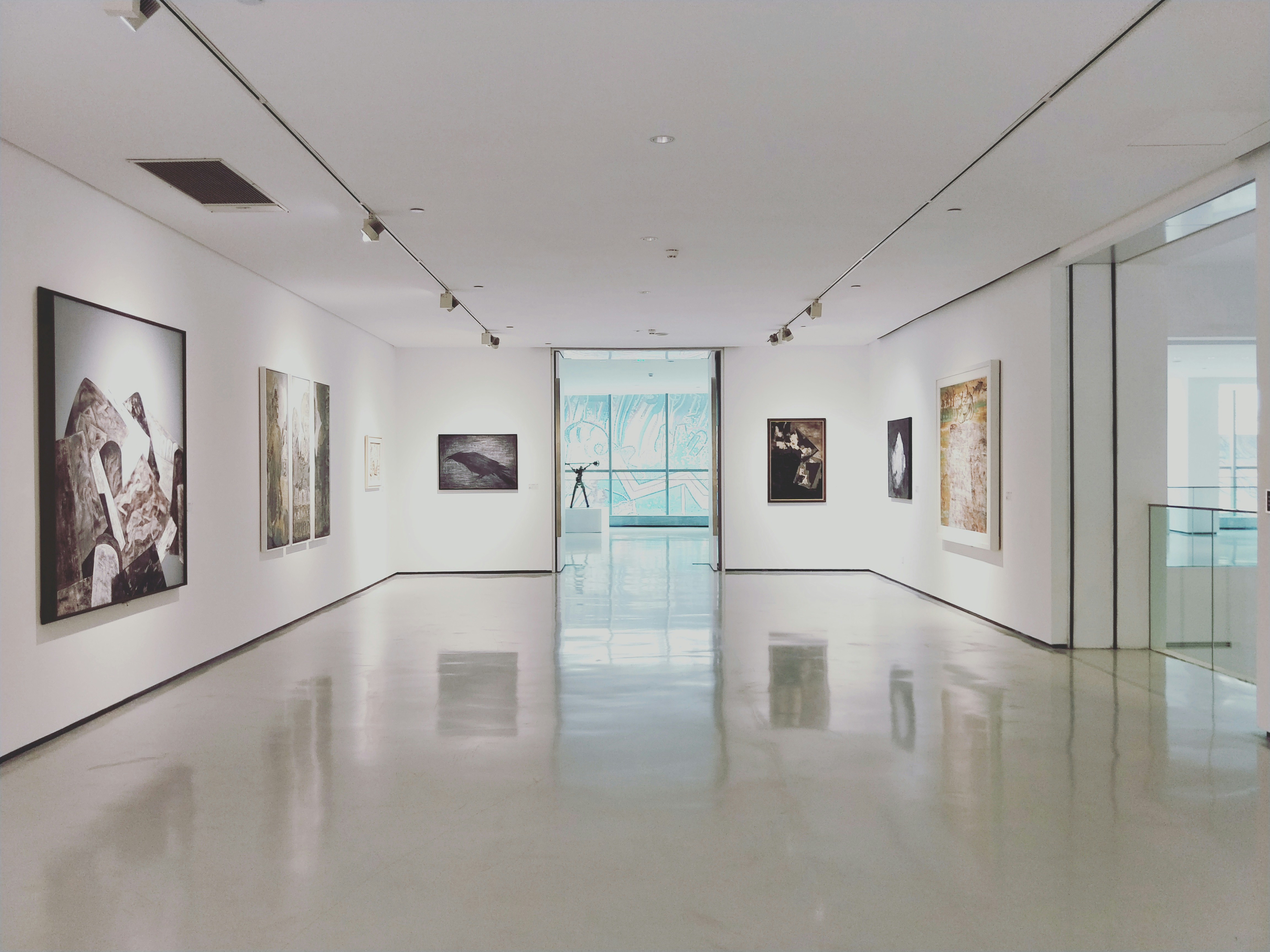
Could museums improve young people's wellbeing - Insights from a workshop
By Isil Bastug
Do you love visiting museums? I really do! I believe they are the perfect place to endure cold, dark and long winter days. You can tour around the galleries for hours, make some sketches and potentially even touch some historical objects. Furthermore, museums can widen your horizons as you can learn so many things. However, as a psychology geek and a young adult, museums interest me from another perspective. I am curious about the potential of museums in improving young people’s mental health and wellbeing...
Can art really heal trauma
By Mia Riedel
In a small city surrounded by the Japanese Alps lies the Matsumoto Art Museum. What many visitors perceive as a beautiful surrounding landscape was a cage to the artist featured in the museum. Kusama was born in Matsumoto, in 1929 and only dreamed of crossing the mountains to escape her hometown. While growing up, she was physically and emotionally abused by her mother and consequently suffered from hallucinations...
Festivals and wellbeing of young adults
By Isil Bastug
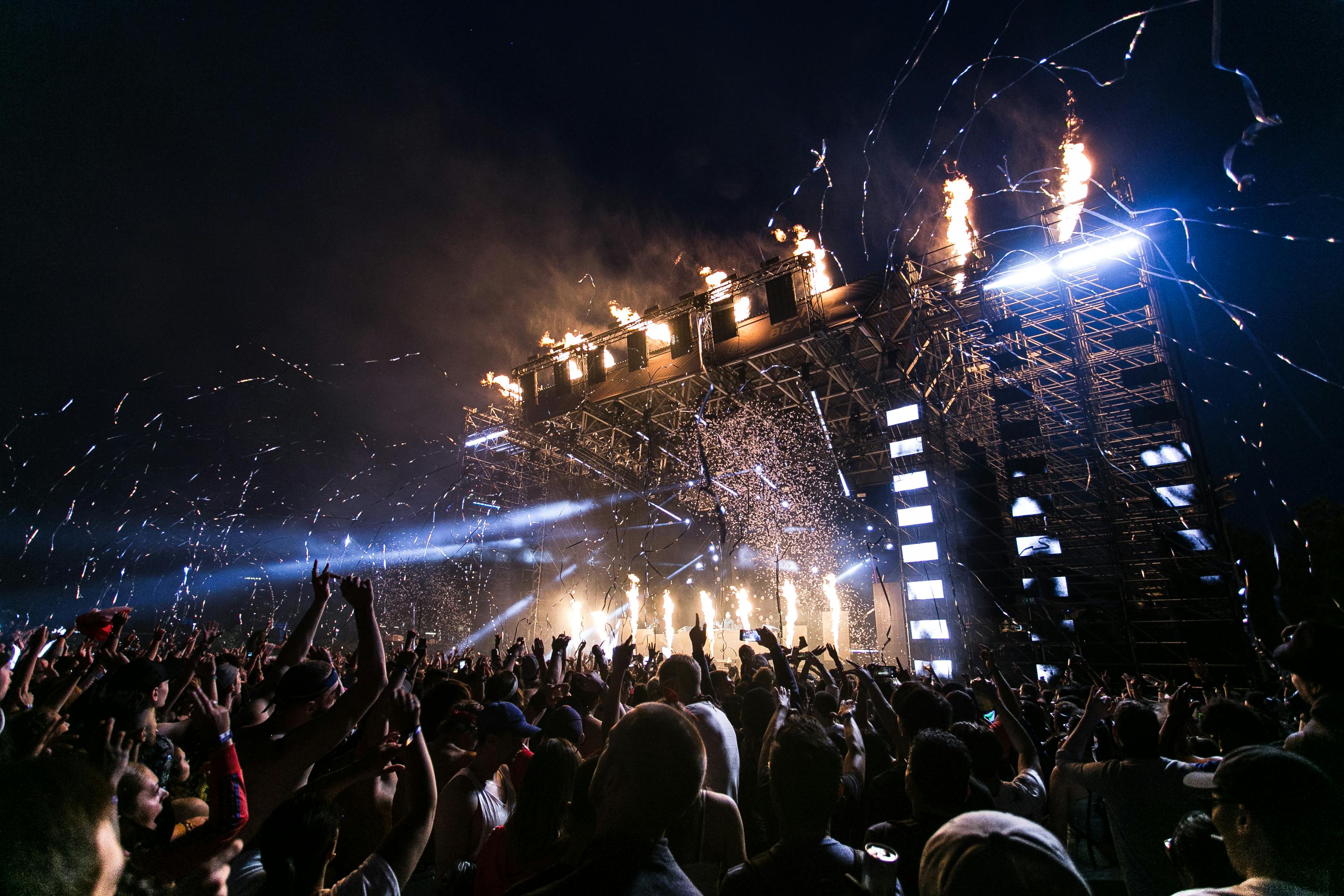
Boots are out, flip-flops are in! The long-awaited summer is finally here! It is the perfect time to take a break from your studies, relax a little bit and recharge for the next year. Arts can be a great way to achieve that. The benefits of arts on mental health and wellbeing have been shown consistently (All-Party Parliamentary Group on Arts, Health and Wellbeing Inquiry, 2017; Daykin, 2019; Fancourt & Finn, 2019)...
The art of stress reduction
By Mia Riedel
Universities exist to foster the cognitive development of their students. They consequently seek to reduce students’ stress levels which are known to impact their intellectual performance. Paintings in lecture halls and sculptures in libraries are indeed much more than an asthetic or entertaining addition to university buildings’ outfits. There is increasing evidence that art, just like nature, can help reduce stress and foster cognitive restauration. There are hence good reasons to go creative and introduce more art into universities...
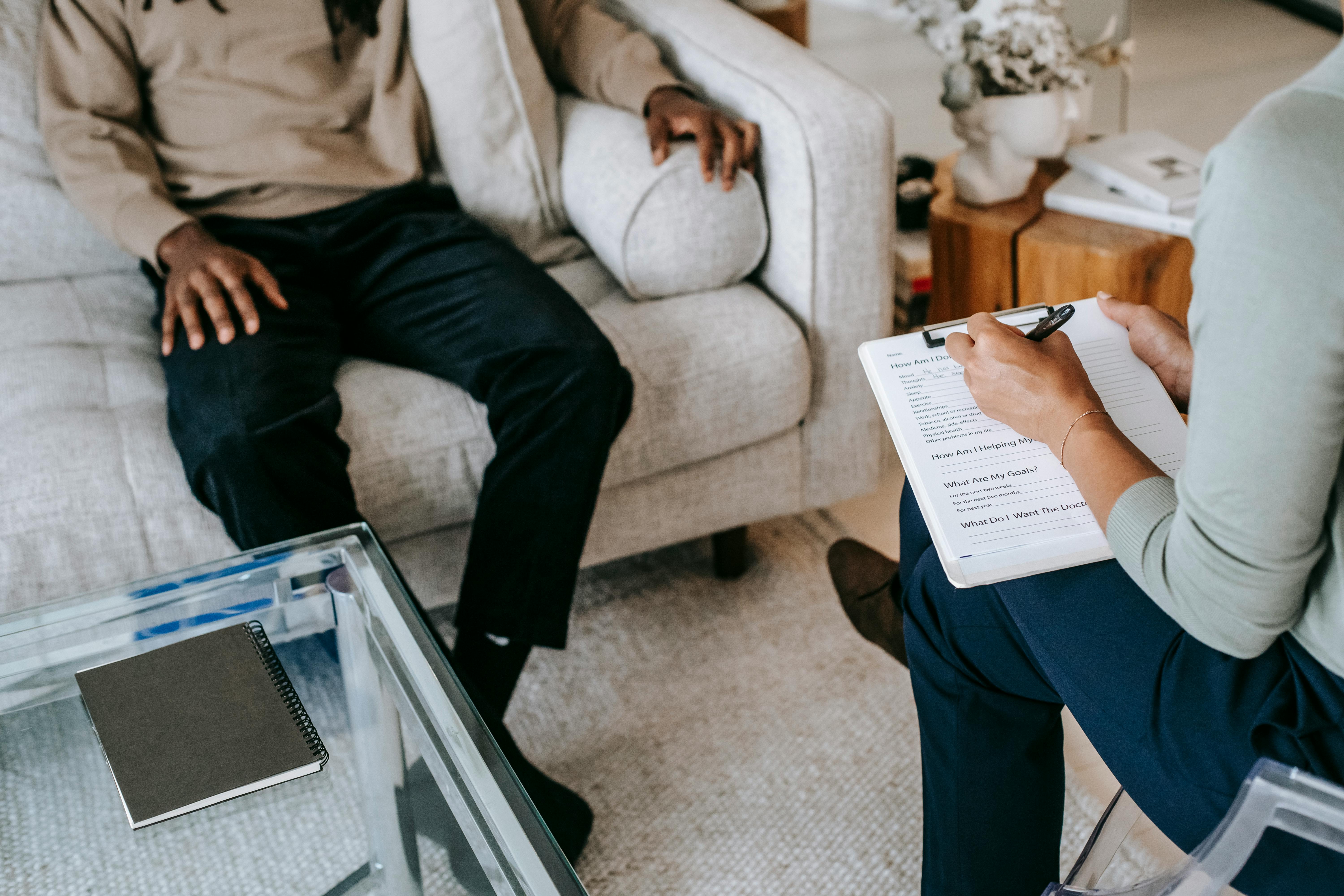
Louise Bourgeois and psychoanalysis
By Miranda Yates
Louise Bourgeois has long been associated with psychoanalytic themes, weaving between sexuality, death, memory, and reparation throughout her extensive career. Initially assisting her parents in the family business of restoring tapestries and creating drawings for templates used in the workshop...
The potential of digital mental health interventions
By Ellie Roberts
With the COVID-19 pandemic came the phenomenal increase in technology usage across the world, from online video calls to innovative apps. What became particularly apparent was the potential of technology to reach and connect a great number of people – globally...
New Year New Me: Overcoming procrastination on resolutions
By Betsy Kwok
It is a worldwide tradition to make resolutions for the New Year. However, as the saying goes, it is easier said than done. So, how many of them do we actually keep?...
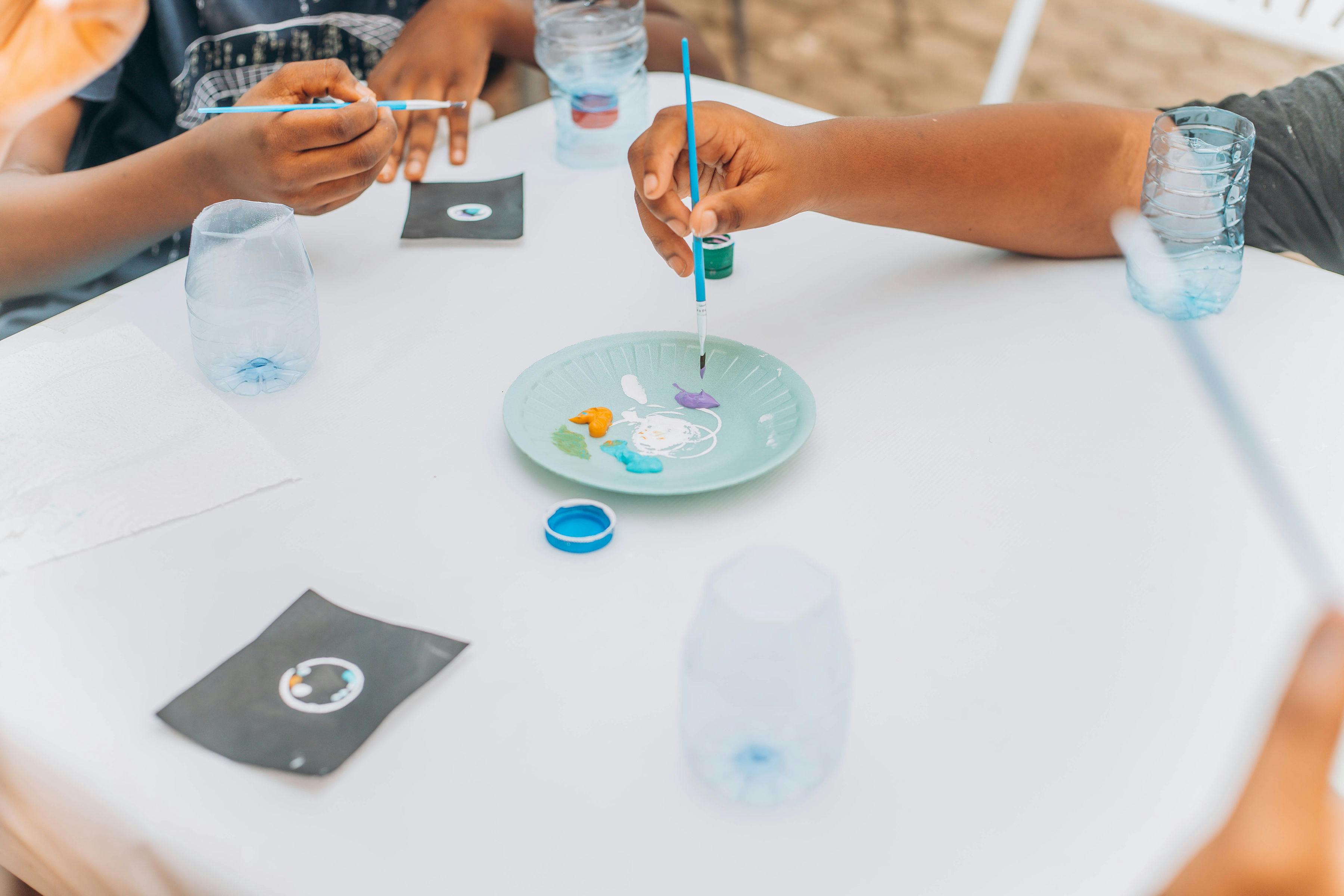
The therapeutic potential of art and play
By Miranda Yates
As we witness a rise in mental health challenges pervasive in society, finding ways of not only coping, but of alleviating such crises is integral. Perhaps art has more relevance to this conversation than we might first expect, as it could enact similar therapeutic outcomes to that of playing.
How architectural design affects mental health
By Ellie Roberts
As the amount of time that people spend indoors is now roughly 90% of their day, considering the impact of architectural design on mental health has never been more relevant (Megahed and Ghoneim, 2021). A developing field, “neuro-architecture”, combines neuroscience and architecture to understand the neural correlates of sensory processes such as visual and spatial perception...
Applications of positive psychology during Covid-19
By Betsy Kwok
Facing job losses, reduced income (McKibbin & Fernando, 2020) and social isolation due to physical distancing measures (Saladino, Algeri, & Auriemma, 2020), many people have experienced high levels of distress and anxiety, together with feelings of helplessness and dispiritedness (Montemurro, 2020). However, there are still people who have remained optimistic during this crisis. What makes them different? And what can we do to be like them...
Neuroaesthetics - How the brain responds to art
By Ellie Roberts
'Neuroaesthetics is an emerging interdisciplinary field combining neuroscience, psychology and the arts to understand the neural correlates of aesthetic experiences such as art and beauty (Pearce et al., 2016). Neuroaesthetics was first coined by Semir Zeki, a professor of neuroscience at University College London...
Art therapy in museums - How can art improve our wellbeing?
By Ceren Bayrakci
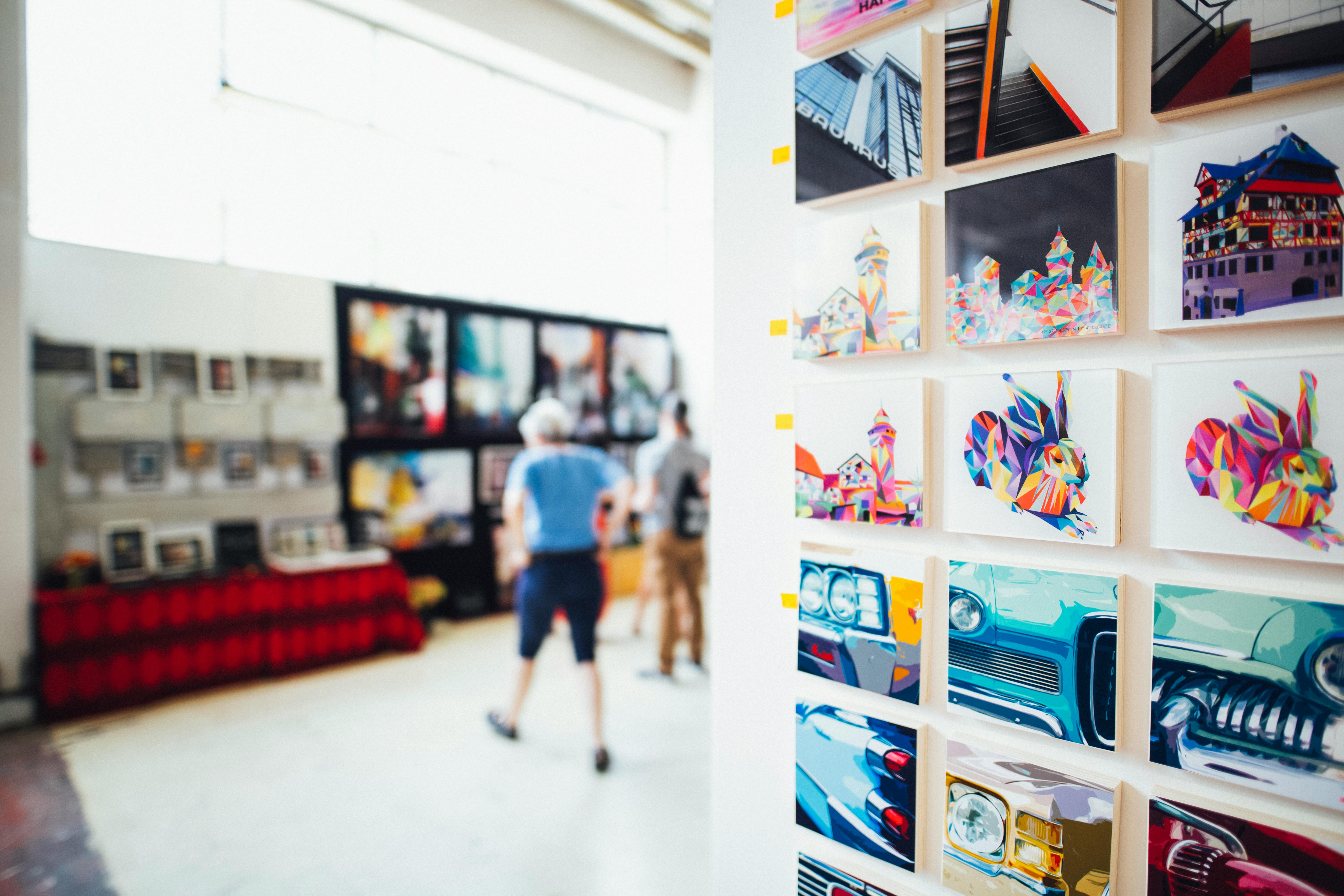
As time went by, museums have expanded their services in many different ways. Once exclusively used as places to exhibit art pieces, at the moment museums operate as workshop areas, party venues or theatre stages...